Crafting Perfect Bespoke Fresh Produce Boxes: A Comprehensive Walkthrough
Designing custom produce boxes calls for a deliberate method. Professionals must assess sustainability, practicality, and visual appeal. Choosing the right components is vital for maintaining freshness and supporting environmentally conscious practices. Additionally, size and form can greatly affect ease of use and shipping effectiveness. Effective visual elements strengthen brand recognition, while detailed testing guarantees strength. Comprehending these components will discover vital understanding into producing remarkable container solutions that appeal to customers. What follows is essential to achieving those goals.
Selecting the Appropriate Materials for Custom Produce Boxes
When choosing materials for custom produce boxes, it is vital to assess both functionality and sustainability. The choice of material greatly impacts the box's longevity, weight, and ability to safeguard the contents. Common materials consist of corrugated cardboard, which offers strength and is recyclable, making it a popular choice for eco-conscious businesses. Compostable options, such as molded pulp or plant-based plastics, also comply with environmentally friendly practices while providing adequate protection for delicate produce.
Moreover, dampness protection is necessary for maintaining freshness, driving some vendors to investigate enhanced substances or specialized coatings. The visual charm of the box cannot be dismissed, since brand positioning and graphical elements can determine consumer perception. Ultimately, the best option should equilibrate between protecting the produce, appealing to customers, and adhering to environmental standards, ensuring both functionality and sustainability are prioritized within the development procedure.
How to Find the Right Size and Shape for Functionality?
When choosing the size and shape of custom produce boxes, careful assessment of produce measurements is essential for proper storage. Additionally, attention to movement and transportation can impact the box structure, guaranteeing ease of movement. Maximizing shelf space usage further improves functionality, allowing for efficient display and storage.
Evaluate Produce Dimensions Carefully
Selecting the appropriate dimensions for produce boxes is crucial for functionality and efficiency. Precise evaluation of produce dimensions is critical, as it ensures that items fit securely without unnecessary room that could result in damage during shipping and storage. Tailored containers need to accommodate different forms, from delicate berries to large produce, while maintaining structural integrity. Additionally, the height and width of the boxes should facilitate proper arrangement and storage, maximizing space in warehouse facilities. A well-designed box not only safeguards the produce but also improves aesthetic presentation for consumers. Ultimately, careful consideration of dimensions contributes to waste reduction and improving customer satisfaction in the distribution network.
Consider the Management of Handling and Transport
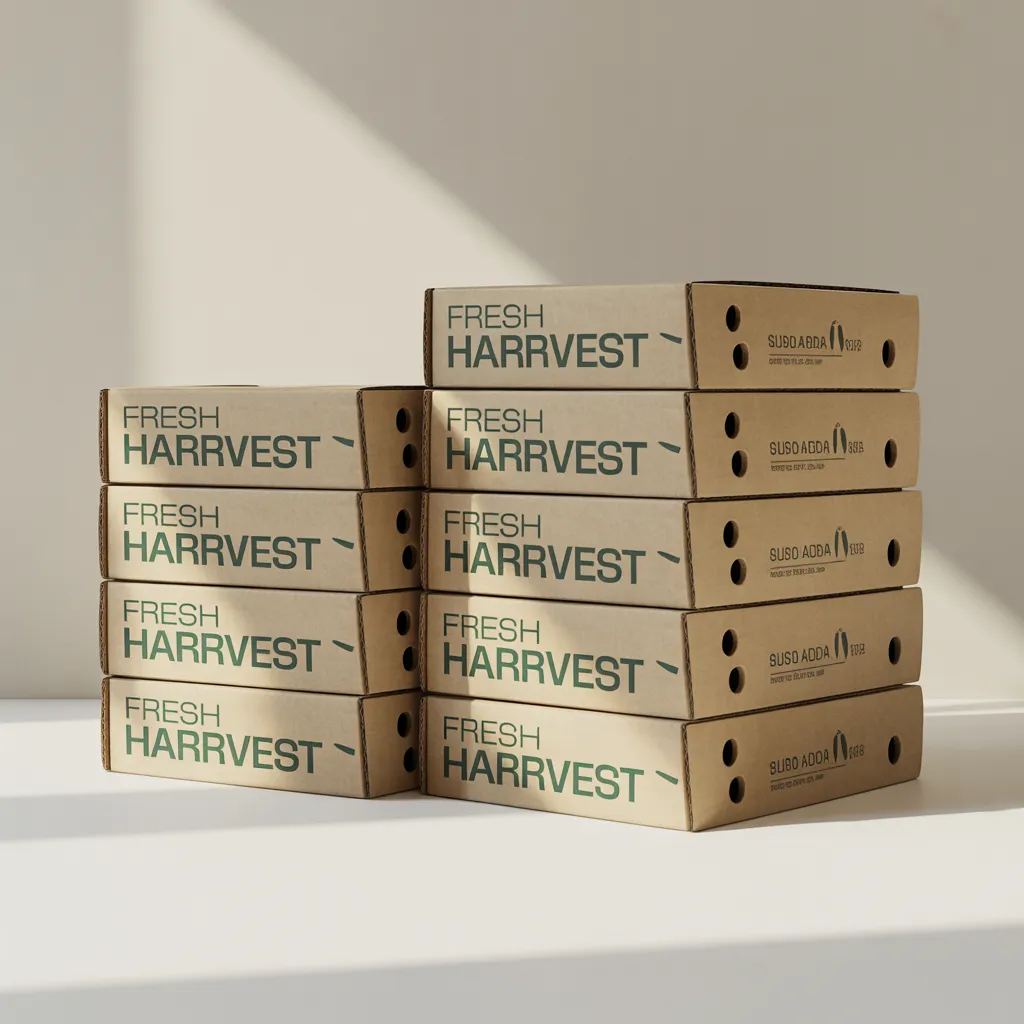
Handling and transport considerations play a substantial role in establishing the suitable size and shape of custom produce boxes. The measurements must accommodate the produce without excessive space, which could lead to shifting and damage during transport. Smaller, compact boxes facilitate easier handling, while bigger containers may be necessary for larger items. Additionally, proper ergonomic planning is essential; handles or openings should be strategically placed to allow for comfortable lifting and carrying. The shape of the box also affects arrangement and stability, guaranteeing that products remain secure. Ultimately, thoughtful evaluation of these factors improves the efficiency of transport, reduces product loss, and maintains the overall quality of the produce from farm to consumer.
Optimize Shelf Space Usage
Optimizing shelving performance is contingent upon picking the correct size and shape of custom produce boxes. Design teams should assess the dimensions of the storage systems as well as the categories of crops being arranged. Straight-edged boxes often boost room optimization, permitting for more straightforward organization and positioning. Alternatively, non-standard forms can heighten visual appeal but may cause lost capacity if not strategically planned.
It's important to examine the stock circulation rate; briskly-selling products might benefit with compact, easily reachable containers. Also, adopting adjustable or flexible frameworks can facilitate varying dimensions of produce while improving shelf organization. By emphasizing functionality and aesthetic considerations, businesses can fashion a practical and attractive display that strengthens both product access and market presence.
How to Make Graphics That Seize Attention?
Striking visuals can turn a straightforward custom produce box into a artistic creation that grabs focus. To achieve this, designers should start by choosing a color palette that reflects the freshness and vibrancy of the produce. Bright, attention-grabbing colors can trigger feelings of freshness and vitality, driving consumers to take a deeper glance.
Using strong typefaces is equally important; readable typefaces can successfully convey essential information while enhancing visual appeal. Additionally, incorporating premium photographs of the produce can establish instant rapport, showcasing the item's excellence and attracting potential buyers.
In addition, incorporating distinctive visuals and patterns can assist in distinguishing the brand in a saturated market. Consistency in design elements, such as logos and taglines, reinforces brand identity. Ultimately, a blend of creativity and clarity in visual design can greatly elevate the influence of custom produce boxes, helping them become distinctive on shelves.
Sustainable Practices for Custom Produce Box Packaging
An rising number of companies are implementing eco-friendly practices for custom produce box packaging, acknowledging its significance in today's environmentally conscious market. These approaches often encompass the use of decomposable materials, such as recycled paper and plant-based plastics, which reduce environmental impact. Companies are also focusing on sustainable sourcing, ensuring that materials are obtained from responsibly managed forests or suppliers who emphasize environmental stewardship.
Additionally, many brands are choosing minimalistic layouts that reduce waste while still effectively displaying their products. This approach not only attracts environmentally aware consumers but also aids in lowering production costs. Moreover, businesses are progressively adopting efficient manufacturing processes that limit energy consumption and waste generation. By integrating these eco-friendly practices, companies not only improve their brand image but also contribute positively to the planet, aligning their operations with a sustainable future.
Evaluate Your Custom Produce Box Design
Testing the layout of personalized vegetable containers is an crucial step in ensuring they satisfy both aesthetic and functional needs. This procedure typically includes assessing factors such as durability, size, and usability. First, samples must be developed to assess the container's structural integrity, ensuring it can withstand transportation and storage without damaging the contents.
Following this, usability assessments can be carried out to evaluate how smoothly the boxes can be opened, closed, and stacked. Comments from prospective users can be essential in this phase, delivering knowledge of the box's usefulness.
Furthermore, the design's visual appeal should be evaluated through consumer testing panels or questionnaires, measuring customer responses to brand components, color schemes, and general appearance.
In the end, comprehensive testing permits designers to refine the box, guaranteeing it not only appeals to customers but also adequately safeguards and displays the produce within, striking the right equilibrium between form and function.
Promoting Your Custom Produce Boxes Successfully
Effective marketing of custom vegetable containers calls for a strategic approach that stresses their distinctive advantages and value. Businesses should focus on determining their intended customers, such as local farms, grocery examine this material stores, or individual consumers. Harnessing social networking sites can boost market visibility, showcasing the boxes' design and practicality through compelling visuals and storytelling.
Furthermore, working alongside community leaders and farm operators can boost reputation and widen reach. Presenting promotions or discounts during seasonal peaks can bring in new customers and stimulate repeat business.
Furthermore, emphasizing sustainability and eco-friendliness in marketing materials can engage sustainability-focused buyers. Presenting in-depth information about material sources and the advantages of custom packaging can further set apart the product in a saturated marketplace.
Ultimately, a comprehensive advertising plan that combines web-based and local efforts will successfully publicize custom produce boxes, attracting a diverse clientele and driving sales.
Frequently Posed Questions
What Charges Accompany Custom Produce Box Planning?
Expenses connected to custom produce box design include materials, printing, labor requirements, and delivery costs. Moreover, design services and minimum order quantities can determine total expenses, causing fluctuating prices based on specific needs and manufacturing size.
How much time Does It Take to Produce Personalized Boxes?
Production of tailored boxes typically requires two to six weeks. Key factors affecting this timeframe involve design complexity, materials availability, and production capacity, all of which may affect delivery schedules and lead times.
May I Place an Order for a Small Batch of Custom Produce Boxes?
Yes, modest quantities of custom produce boxes can generally be secured. Many suppliers deliver threshold order amounts, allowing businesses or individuals to obtain tailored packaging options without needing to obligate to substantial amounts initially.
What Are Typical Errors to Avoid in Personalized Box Design?
Common errors in custom box creation include overlooking functionality, ignoring brand consistency, undervaluing material quality, not considering target audience preferences, and overlooking environmental impact. Each aspect is crucial for effective packaging and customer satisfaction.
How Do I Confirm My Boxes Are Safe for Food?
To ensure boxes maintain food-safe standards, individuals must choose materials approved for food contact, eliminate dangerous inks and adhesives, sustain cleanliness during production, and routinely evaluate for compliance with health regulations and safety standards.